

18 Oct Understanding Gender and Sexuality: Your Go-To Guide
Because knowing who you are — and who others are — starts with the words we use.
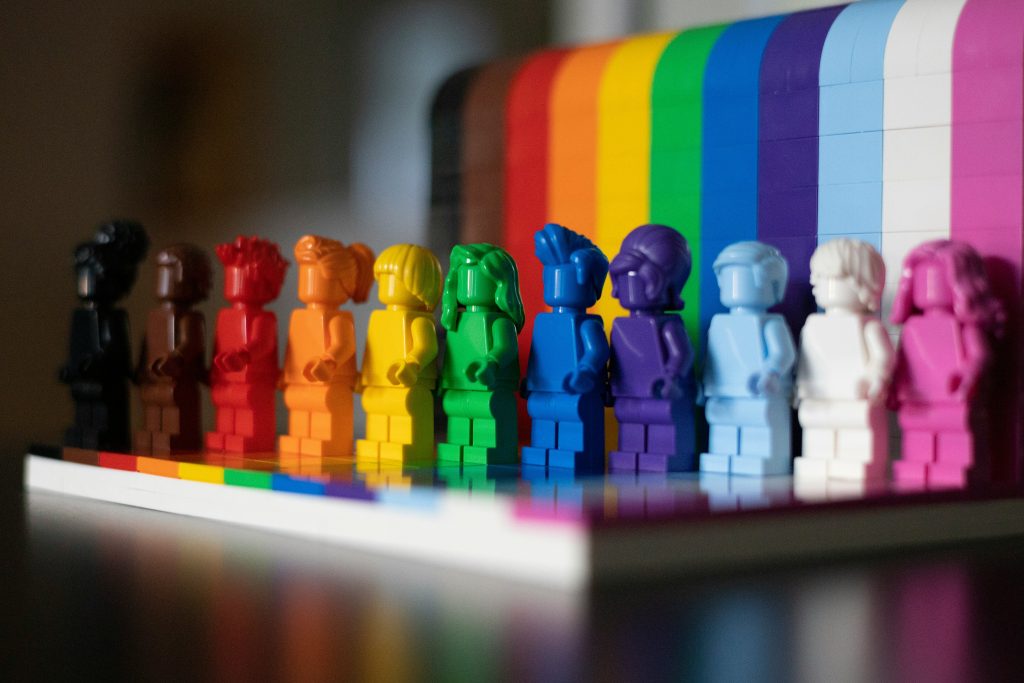
You’ve probably seen words like non-binary, pansexual or cishet pop up on TikTok, in a group chat, or even during a school debate. Sometimes they make sense, sometimes they don’t. And that’s okay. Gender and sexuality are fluid, and the language we use to describe them is always evolving.
This guide is your starter pack; not a lecture, just the basics to help you get it, whether you’re figuring yourself out, supporting your friends, or trying not to get lost in the comments section.
Your gender identity is how you understand yourself inside, no matter what sex you were assigned at birth. If those two match, you’re cisgender. If they don’t, you might identify as transgender. But it’s not only about being a man or a woman. Some people identify as non-binary, which could mean being both, neither, or somewhere in between. Others are genderfluid, meaning their gender shifts over time, while some are agender, not connected to any gender at all.
Your sexual orientation is about who you’re attracted to emotionally, romantically, or sexually. Straight people are attracted to a different gender. Gay men are attracted to men, lesbians are women who love women. Some people are bisexual, attracted to more than one gender. Others are pansexual, attracted to people regardless of gender — it’s about the person, not the label. And then there are asexual (ace) people who feel little or no sexual attraction, which is just as valid.
There are also words that help describe the bigger picture. Queer is an umbrella term for anyone who isn’t straight or cis — some people love it, others don’t, so always ask before using it for someone. If you’re still figuring things out, you might call yourself questioning. Some people are closeted, meaning they haven’t shared their identity with others, while others are out and open about who they are. Pronouns matter too — he/him, she/her, they/them, or custom ones like ze/zir. Using the right pronouns is simply about showing respect.
And here’s the real talk: you don’t need to live in Joburg, Cape Town, or Durban to explore your identity. In townships, suburbs, and rural towns, people your age are navigating the same journey. You’re not too young to know who you are. You’re not too old to start questioning either. And no — you don’t need permission to be yourself.
Language will keep changing. What matters most is respect. Don’t assume someone’s gender or orientation just by looking at them. If someone tells you who they are, believe them — it’s not your job to debate their truth.
Whether you’re out, questioning, or just want to be a better ally, knowing these words helps you move through the world with more compassion, confidence, and understanding. Keep learning, keep exploring — and remember, Chomee’s always here to speak your language.
