

20 Aug Exploring Alternative Therapies: Part 3 of the Series
Exploring Cupping Therapy: What You Need to Know
Cupping therapy has been making waves in the wellness world, with celebrities and athletes showcasing those telltale circular marks on their skin. But what exactly is cupping, and is it right for you? Let’s delve into this ancient practice, its potential benefits, and the important risks you should be aware of.
What is Cupping Therapy?
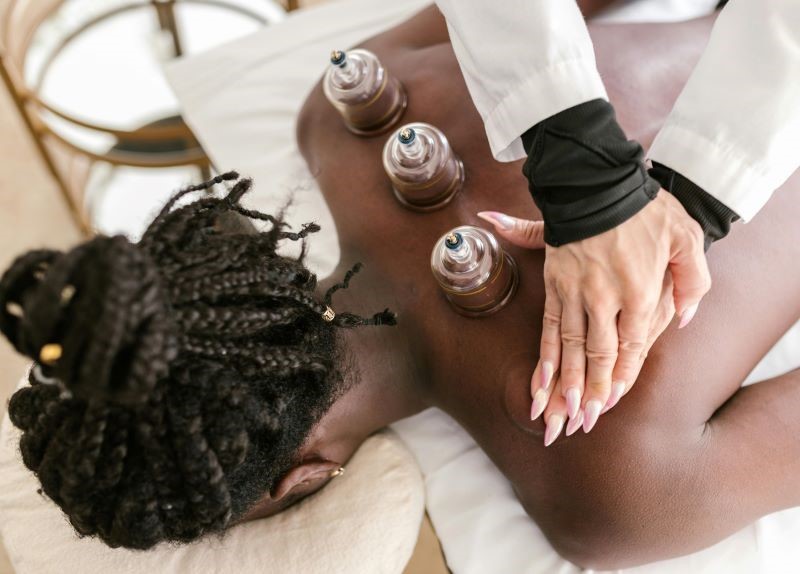
Cupping therapy is an ancient form of alternative medicine that involves placing cups on the skin to create suction. This suction draws the skin upward into the cup, creating a vacuum effect. Traditionally, cups were made of glass or bamboo, but modern cupping often uses silicone or plastic cups.
How Does It Work?
During a cupping session, the cups are placed on specific areas of the body, typically the back, shoulders, or legs. The suction created by the cups is believed to increase blood flow to the area, promoting healing and relieving muscle tension. Some practitioners also believe that cupping helps to release toxins and stimulate the flow of energy (or “qi”) within the body.

Potential Benefits
- Pain Relief: Cupping therapy is often used to alleviate muscle and joint pain, making it popular among athletes and those with chronic pain conditions.
- Relaxation: Many people find cupping sessions deeply relaxing, similar to a massage. It’s a great way to unwind and de-stress after a long day.
- Improved Circulation: The suction created by the cups can help to improve blood flow, which may have a range of benefits for overall health and well-being.
Potential Risks
While cupping therapy is generally considered safe, there are some potential risks and side effects to be aware of:
- Bruising: The suction from the cups can cause bruising or skin discoloration, especially if the cups are left in place for an extended period or if the suction is too strong.
- Skin Irritation: Some people may experience skin irritation or sensitivity where the cups were placed. This is usually temporary and resolves on its own.
- Burns: In rare cases, cupping therapy can cause burns, particularly if the cups are placed on sensitive areas of the skin or if the cups are heated before placement.
- Dizziness or Fainting: Some individuals may feel lightheaded or dizzy during or after a cupping session. This is typically due to changes in blood pressure and usually resolves quickly.
There are some situations where it may not be recommended:
- Pregnancy: Pregnant women should avoid cupping therapy, especially on the abdomen or lower back, as it may stimulate contractions and potentially harm the fetus.
- Bleeding Disorders: Individuals with bleeding disorders or those taking blood-thinning medications should avoid cupping therapy, as it can increase the risk of bruising or bleeding.
- Skin Conditions: People with skin conditions such as eczema, psoriasis, or severe acne should avoid cupping therapy, as it may aggravate their condition.
Cupping therapy offers a unique and potentially beneficial way to relax, relieve pain, and improve overall well-being. However, it’s essential to be aware of the potential risks and to consult with a qualified healthcare professional before trying cupping, especially if you have any underlying health conditions or concerns. With proper precautions and guidance, cupping therapy can be a safe and effective addition to your wellness routine.
Watch video below
