

04 Jun What The Numbers Miss About South African Youth
By Siya Mahomba
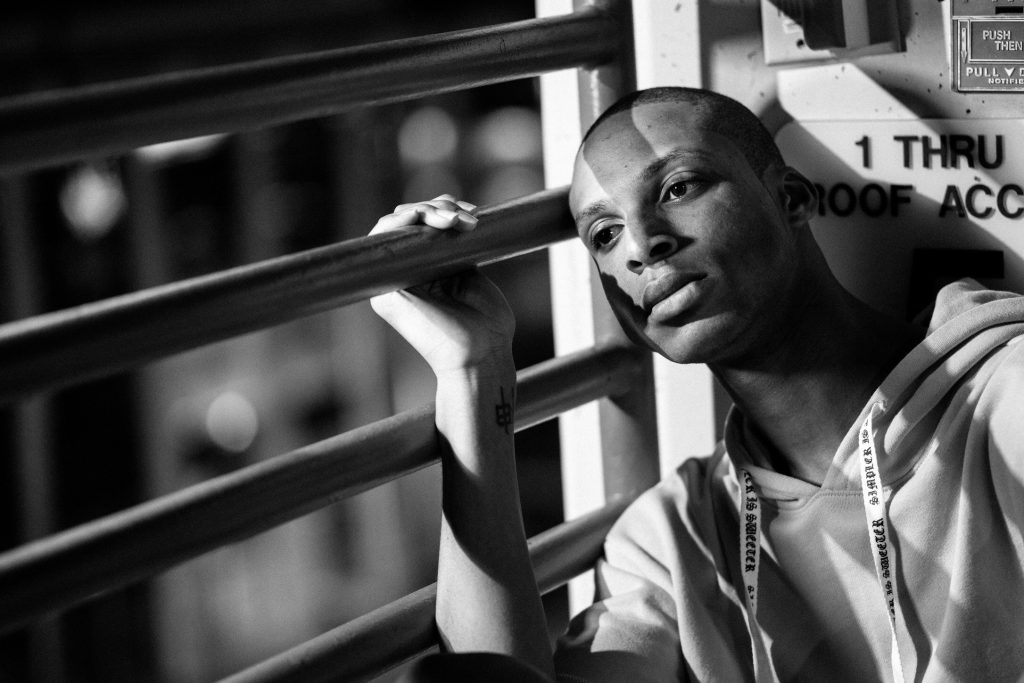
If someone asks “How are you?” and surviving is your answer, you’re not alone. For many South African teens, surviving is the default. Not thriving, not excited for tomorrow — just getting through the day without falling apart. The numbers are finally catching up to what we’ve been hinting at online for years.
The Numbers Are Heavy — And They’re Real
South Africa’s youth mental health stats don’t lie. According to the South African Medical Research Council, 10.1% of young South Africans live with depressive disorders and 6.7% experience anxiety disorders. PTSD sits at 17.6%, largely because of the violence, sexual assault, and instability many young people face daily.
It gets more specific for teens. The Department of Health reported that between April and December 2024, 7,426 children under 18 were treated for suicide attempts. SADAG says 9% of teenage deaths in South Africa are due to suicide, and it’s the second leading cause of death for 15 to 24 year olds.
But here’s the thing: stats don’t show the full picture.
What the Numbers Can’t Capture
Numbers can’t measure masked depression. They can’t capture the kid who gets distinctions at school but cries in the bathroom between periods. They don’t show burnout, emotional numbness, or functioning sadness — when you’re showing up, laughing in the group chat, and falling apart at two in the morning.
They also don’t show how many teens never ask for help. The vast majority of young people with mental health problems do not seek help or receive care. Stigma, lack of knowledge, and simply not having access to a therapist in your area keep a lot of young people silent.
For Black South African youth, the gap is even wider. Less than 9.3% of Black African adolescents have access to medical aid — meaning private therapy isn’t an option for most. And culturally, there’s still the “strong Black child” expectation: suppress your emotions, pray it away, and don’t embarrass the family by admitting you’re struggling.
The Pressure Cooker of Being Young in SA
If you’re between 15 and 24 right now, you’re carrying a lot:
- School pressure — Exams, expectations, and the fear that one bad mark ruins everything.
- Unemployment anxiety — Youth unemployment for 15 to 24 year olds sits at 58.5%. How do you plan for a future that feels locked?
- Unstable homes and financial stress — Poverty and violence are listed as key environmental forces shaping youth mental health.
- Social media — TikTok gives us mental health awareness, but also doom scrolling and comparison culture. Memes help us cope, but “I’m fine” often means “I’m not.”
- Identity struggles — For queer youth, or anyone not fitting into what’s expected, home and school can feel unsafe.
- When you add bullying, loneliness, and feeling emotionally unsupported, it’s no wonder so many teens feel overwhelmed.
The “Strong Black Child” Problem
A lot of us grew up hearing “don’t air your business” and “God won’t give you more than you can handle.” That’s not bad advice on its own — but when it becomes the only option, it silences people. Therapy still feels taboo in some homes. Saying you’re depressed can sound like you’re ungrateful or weak.
So you keep it private. You become the high-achieving teen who never says no, the friend everyone leans on, the one who’s “strong” — until you’re not. We need to make space for emotional honesty without fear of disappointing family. Struggling doesn’t make you ungrateful. It makes you human.
So Where Do We Go From Here?
This isn’t a hopeless story. The conversations are starting, even if they’re messy.
Check in on your friends — for real. Not just “how are you?” and accept “fine.” Ask twice. Notice when someone goes quiet online or stops showing up.
Talk to adults who get it. If home isn’t safe, find a teacher, counsellor, or youth worker who will listen without judgement. Schools are being pushed to become sanctuaries for promoting mental health, and programmes like SADAG’s school outreach are already reaching over 100 schools in Cape Town.
You’re Not Alone — Help Is Free and Confidential
If you’re struggling or worried about someone, these resources are available 24 hours:
24-hour toll-free helplines:
- SADAG Suicide Crisis Helpline: 0800 567 567
- Childline South Africa: 0800 055 555
WhatsApp & SMS:
- Cipla Mental Health: 076 882 2775
- Have Hope Chat Line: 087 163 2050
- SMS 32312 for Substance Abuse Helpline
SADAG:
- Call: 011 234 4837
- Website: www.sadag.org — over 180 free support groups
Maybe the real crisis is how many young people have learnt to suffer quietly. But it doesn’t have to stay that way. Struggling is not failure. Asking for help is not weakness. The more we talk, the harder it becomes for silence to win.
You deserve more than just surviving. You deserve to be okay. And if you’re not okay today — that’s a starting point, not the end of your story.
If you or someone you know is in immediate danger, call 10111 or 10177.
